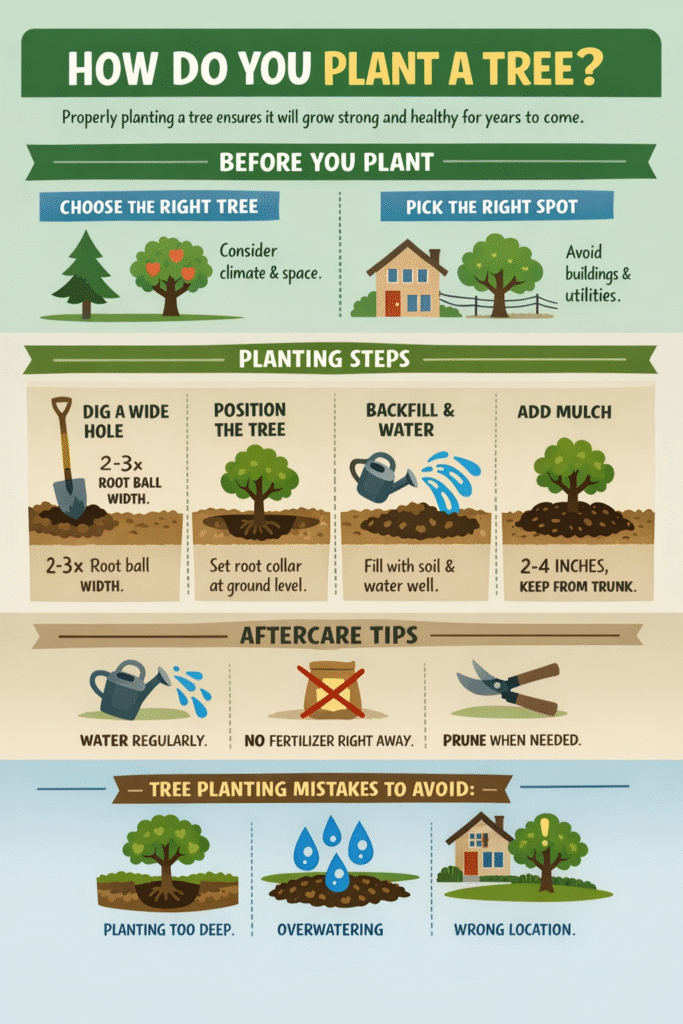
It seems easy to plant a tree, but how you actually do it will have a major impact on the life of that tree. If you plant the tree correctly, you will have a tree that grows faster, has a better root system, and requires less time and effort to maintain over time. This guide will take you step by step from preparing for the planting to taking care of the tree for many years to come by utilizing proven techniques that work in any environment.
Why Planting a Tree Matters?
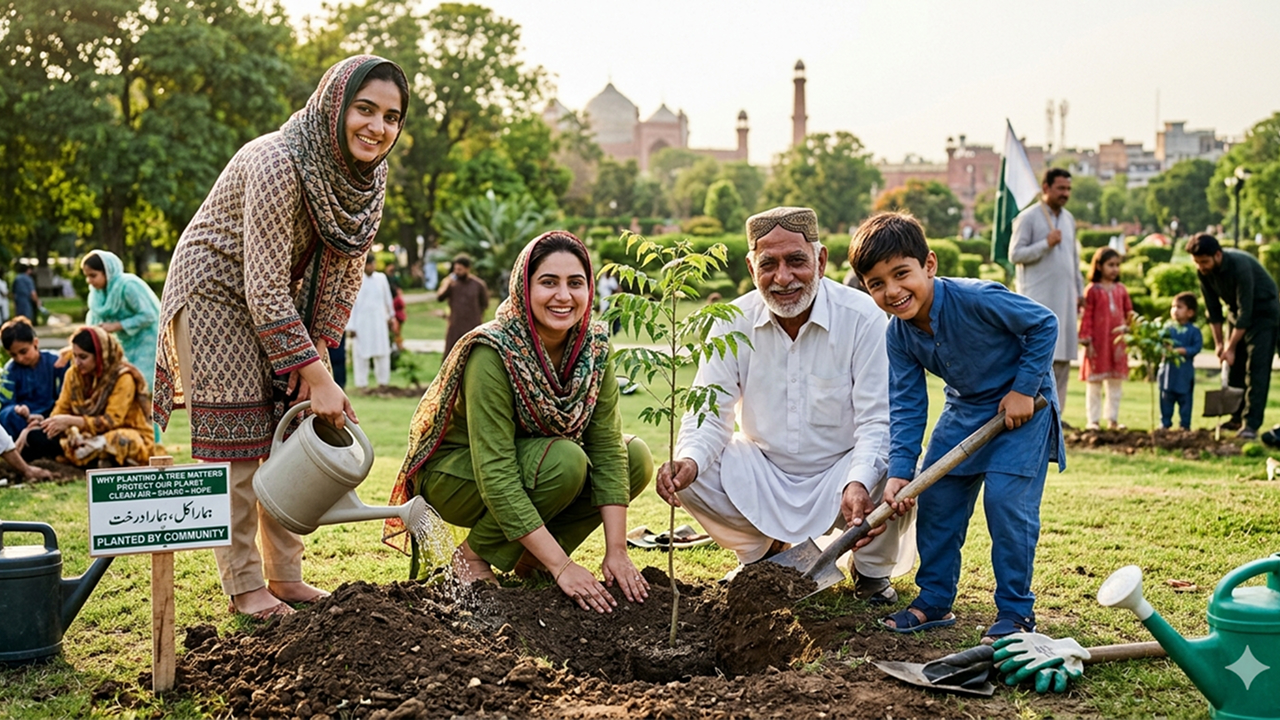
Trees are vital to the planet and to our own health, as they take in carbon dioxide and produce oxygen, and enhance air quality. Additionally, trees moderate climate change, and they reduce soil erosion and support animal habitats. On an individual basis, trees increase the value of your home. They provide shade and create a more enjoyable living environment.
However, if you plant a tree incorrectly, it may grow weakly and suffer from disease or die early. Proper tree planting is not only about digging a hole. It involves creating a living system that will flourish for many years to come. Small errors made during the initial planting process can affect the tree’s ability to reach its potential. This is why proper tree planting techniques—and understanding the benefits of planting trees—are so important.
Before You Plant a Tree (Critical Preparation Phase)
Successful tree planting begins with adequate preparation for tree planting. Since this affects the establishment of the tree and its growth and longevity after planting. It also plays a role in maximizing the economic impacts of planting trees, as healthy trees provide long-term value. When you take the time to plan, you can avoid typical mistakes and help ensure long-term success.
Choosing the Correct Tree Type
For successful establishment, selecting the correct tree variety is paramount. With respect to climate, soil characteristics, and sun exposure, the correct tree type will do well under its surroundings. Whereas the incorrect type fails due to improper planting techniques.
When selecting the type of tree for planting, it is important to think about its intended use (shade, fruit, ornamental, or use as a privacy screen) and select an appropriate tree type based on its function.
Choosing the Correct Planting Site
Site selection is extremely important with regard to future tree growth. Be sure to plan by making certain that a tree will have adequate amounts of space above and below ground at its eventual full size.
When selecting your tree planting locations, avoid planting near:
- Any building or foundation
- Electrical lines
- Any underground utility lines
Drainage is equally important; Poor drainage can result in root rot, which is one of the most common reasons trees fail.
Best Time to Plant Trees
When planting most trees, the best time to do so is actually while they are dormant (usually in the fall or early spring). While dormant, trees are actively developing their roots rather than growing foliage. Therefore, planting a tree during the extreme cold or heat will increase the amount of stress placed on the tree and leave it less likely to survive! Before you start to plant a tree, it is essential that you have all of the necessary tools and materials for both efficiency and safety during the planting procedure.
Tools and Materials You’ll Need
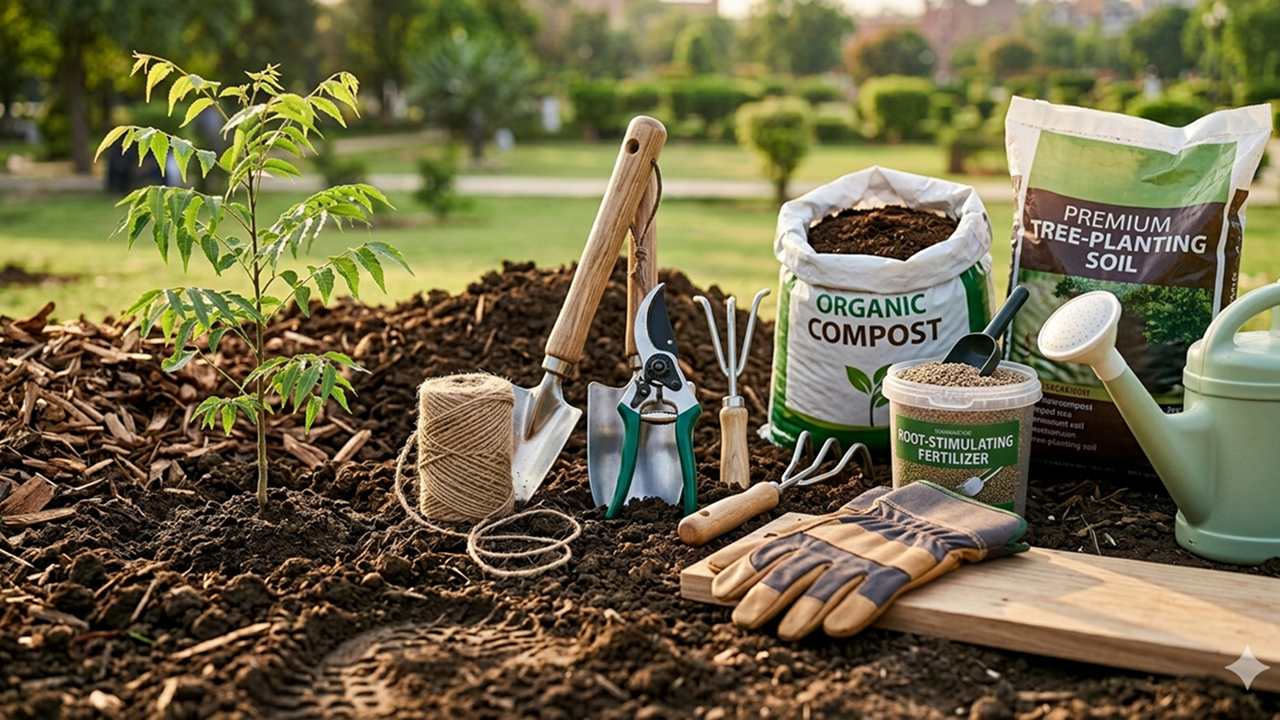
The basic tools you will need to plant a tree are a shovel, a water source, mulch (wood chips or bark), and compost (organic material can be an option). Some additional tools that may help with planting include a tarp (for dealing with soil), a bucket for mixing soil, stakes and ties, and protective guards. The quality of your materials (especially mulch and soil) has a significant impact on the establishment of your tree.
Setting Up the Planting Area
Preparing the site properly gives your tree an excellent base for developing roots and long-term stability. By executing this step effectively, you will greatly enhance survival and growth as well.
Optimal Hole Size
(Note: 2–3 times the width of the root ball and no deeper than the height of it.) The more space available for the roots to grow, the less chance they will become suffocated by growing too deeply in the earth.
Soil Preparation
Loosen up any hard-packed earth and remove all foreign material, i.e., stones, debris, etc. A few gardeners may add compost; however, studies indicate that using native or surrounding soil to aid root development is a better way to allow roots to grow in their natural habitat.
All efforts will be made to develop an area that will provide a natural flow of root growth beyond the size of the planting hole.
How to Identify Basic Parts of a Tree?
A basic understanding of tree anatomy is essential to avoid making serious mistakes.
- Root Ball: The soil and all the roots forming a root structure in the ground (roots and soil)
- Root Collar: The point at which the trunk and roots become connected, to form one piece.
- Structural Roots: The large roots that provide support to the tree.
Root collars should never be buried. If the collar is buried, you may have a disease or poor growth.
The Process for Planting a Tree Correctly
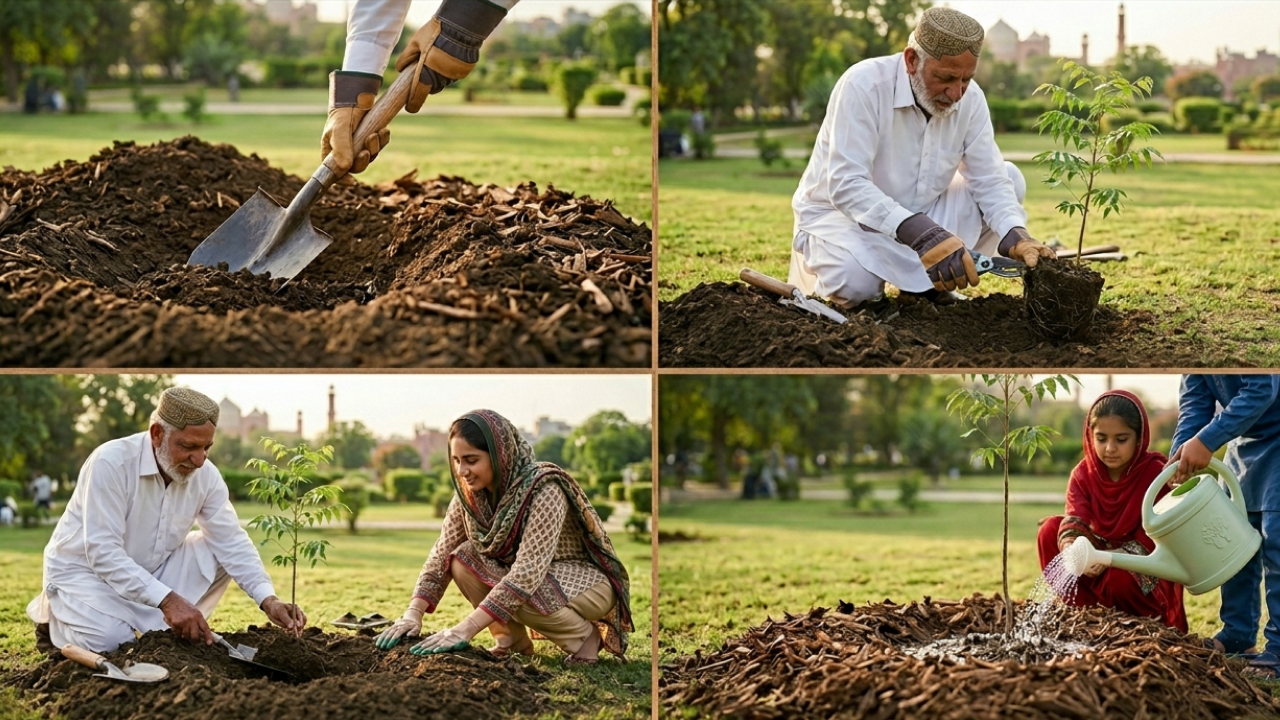
A stepwise process for planting a tree helps establish a strong root system, minimizes shock from transplanting, and leads to healthy growth for many years to come.
- Dig a Hole Appropriate For The Tree: Dig a wide hole (not deep). This allows roots to grow out (rather than just down, restricting growth)
- Position the Tree: Place the tree in the center of the hole, so the root collar is slightly above ground. This will avoid having too much moisture around the trunk.
- Inspect & Prepare the Roots: Make sure that there are no circling/tangled roots. If you do have circling/tangled roots, gently loosen (unwind) them to ensure growth follows natural patterns. In the absence of this step, the tree’s future growth will likely be stunted.
- Put the Tree in Its New Hole: The tree should be planted straight up and down within the center of the hole. Confirm that the tree is straight from all angles before you backfill with soil.
- Backfill Hole With Original Soil: Once you’re finished placing the tree, you will use the soil you removed to backfill the hole. You should firmly pack the soil in or water it to eliminate air pockets, as air pockets could dry out the roots.
- Water After Planting: After you have finished planting, water the tree thoroughly. This helps to settle the soil and provides sufficient moisture to allow for root establishment.
- Add Mulch: Place a 2-4 (inch) deep layer of mulch around the base of the tree, keeping the mulch approximately 3 (inches) away from the trunk. This will help retain moisture and help regulate the soil temperature.
Specific Planting Situations
Different species of trees require variations in planting. So it is Important to understand these differences to have the best possible chance of successfully establishing and growing a healthy tree.
- Trees in Containers: Gently remove the container from the tree. Loosen the roots before planting.
- Burlap or Balled Trees: Remove the burlap, rope, and wire so that the roots are free to expand.
- Newly Transplanted Trees: When moving a new tree, keep the balls of earth intact and disturb as little of the tree and roots as possible to allow for less transplant shock.
Post-planting Care To Assist Your New Tree in Thriving In Your Yard
Proper post-planting care ensures your tree establishes strong roots and thrives for years to come.
Watering
Initially, water your tree daily for an initial 7 days, then begin transitioning to every 3-4 days for approximately another week before reducing to once every 1-2 weeks. You should water the tree deeply but not too frequently.
Mulch / Soil Conditions
Mulching will help your tree keep moisture and support beneficial microorganisms (microbes) in the soil.
Fertilizing
Do NOT fertilize after planting, waiting for your tree to develop roots before adding or introducing nutrients.
Proper Long-Term Care of Trees
After planting, maintaining regular care will help your tree thrive and grow safely into its maximum life span with minimum structural and environmental issues.
- Tree Pruning and Structure: Tree pruning when young helps develop tree shape and good structure, thus avoiding problems later in the tree’s life.
- Bearing Trees: Using a stake is sometimes necessary; however, providing some movement of younger trees will allow them to develop a stronger trunk.
- Protection: Use guards to prevent animal damage or injury caused by machinery.
- Soil Management: Adding compost annually can improve soil quality and support healthy growth for trees in Pakistan in both urban and rural settings.
Mistakes to Avoid When Planting Trees
Avoiding common errors that people make when planting trees is just as important to the success of your trees as doing the steps correctly. Little mistakes can have a major negative impact on your tree’s health and survival.
- Planting deeper than necessary
- Overwatering
- Not considering how it will grow roots
- Overfertilizing
- Planting in the wrong place
Avoiding these errors will greatly increase the survival rate of a tree after being planted!
Indoor vs Outdoor Tree Farming
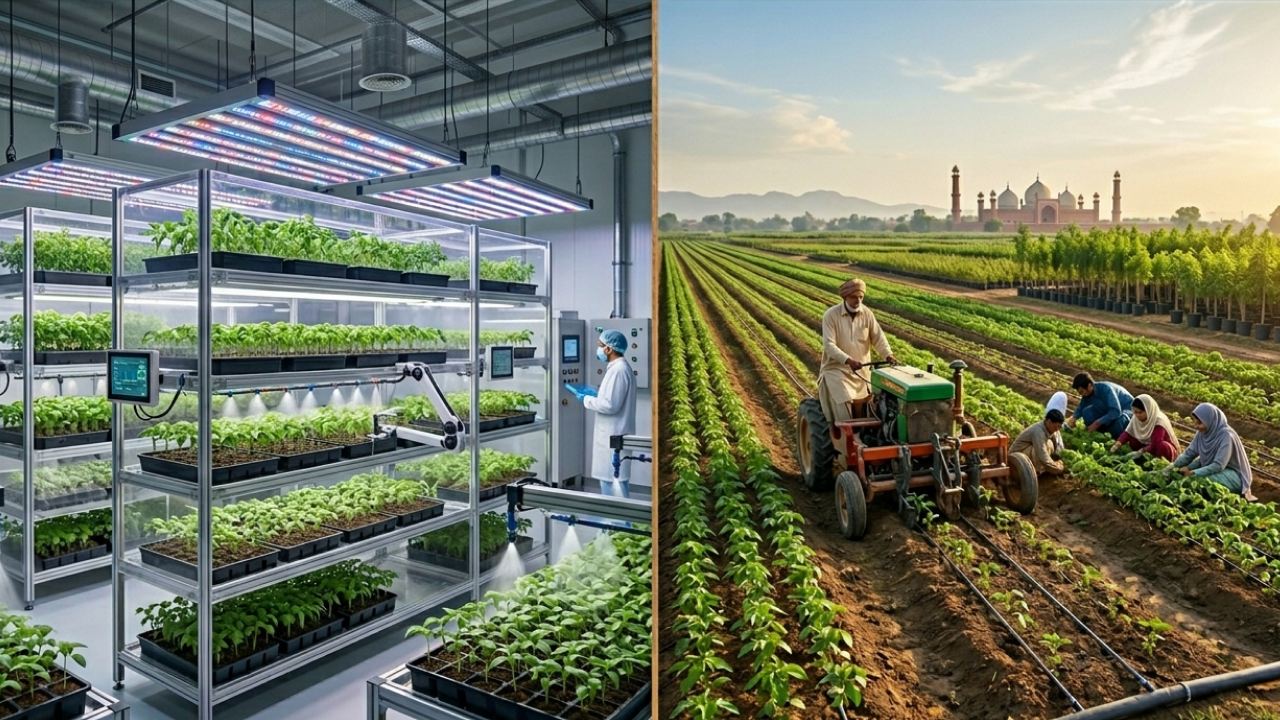
Potted trees can provide better control, but limited growth. Growing a tree outdoors gives it the opportunity to grow in natural conditions, but it can expose it to more environmental stress than potted trees. If you have grown a tree indoors, you should gradually acclimate it before placing it outdoors to reduce the risk of shock.
When Should I Transplant a Tree and How Do I Do It?
The optimal time to perform a tree transplant is during the early spring. You should dig a hole around the tree’s root ball and transplant it at the same depth that it was previously planted. Water thoroughly after performing the transplant and observe the tree for signs of distress.
Indicators of a Healthy (or Trouble-Laden) Tree
When you can recognize early signs of your tree’s health or stress, you can respond immediately to minor problems before they become significant issues.
Good Indicators:
- The tree’s leaves are hardy
- The tree is growing steadily
- The tree’s trunk is solid
Warning Indicators:
- The tree’s leaves are yellowing
- The tree is losing an overabundance of leaves
- The ground around the tree is either too dry or too wet
If you find a problem early enough, you can fix it before it becomes critical.
FAQs
They should not be planted deeper than their root ball.
When first planted, water the tree every day and then reduce watering frequency gradually.
Compost may be added; however, fresh native soil generally provides better long-term health for your tree.
The part of the tree at the ground level where the trunk begins to spread out.
You can plant trees in the summer; however, the high temperatures make it undesirable for the tree due to heat stress factors, i.e., leaf drop, dehydration, etc.
Read More: